Serving Longview, TX and surrounding areas. (430) 267-1875

Quickset LongviewAsphalt Paving
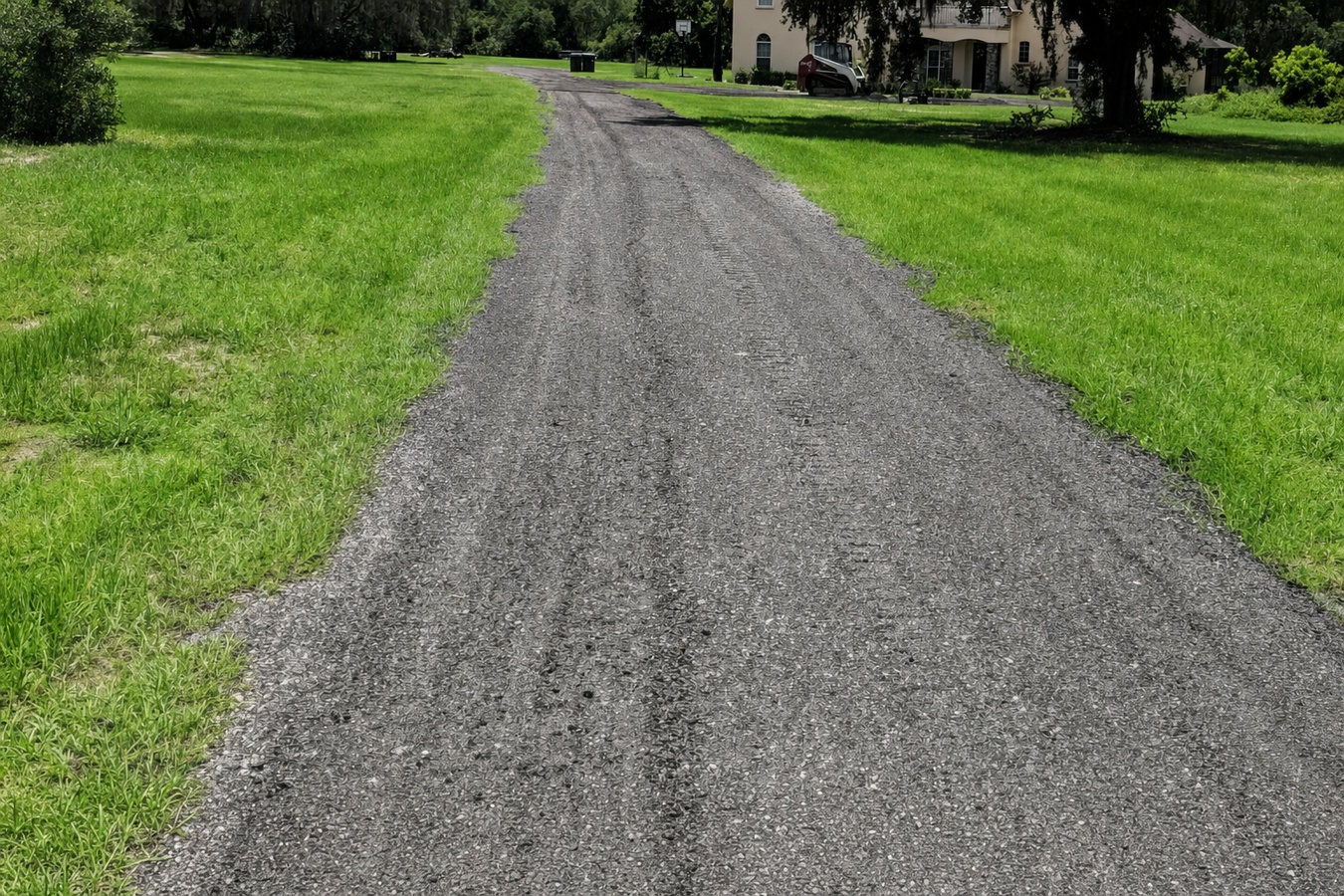
Paving over a deteriorated surface just buries the problem. Milling grinds off the failed layer so new asphalt bonds to a solid base - and the result lasts years longer than another patch job.
Asphalt milling in Longview means grinding down the top layer of an existing paved surface using a machine with a rotating drum of metal teeth. The old material is removed, leaving a textured base ready for fresh asphalt to be laid on top. For a standard residential driveway, milling and repaving combined typically takes one to two days - milling on day one, new asphalt on day two. Larger driveways or small commercial lots may take an additional day.
Milling is the right choice when the surface layer has failed but the base layers beneath are still structurally sound. It costs less and disrupts your property less than a full removal, while producing a result that outperforms paving directly over a deteriorated surface. If base failure is present in certain areas, those spots are addressed before the new asphalt goes down. For surfaces where the deterioration has been driven by drainage problems, pairing milling with asphalt resurfacing and a drainage correction gives you the most durable outcome in East Texas conditions.
When cracks cover a large portion of your driveway rather than appearing in isolated patches, patching no longer makes sense. The surface layer itself has broken down, and milling it off to start fresh is the more cost-effective long-term solution.
In Longview's summer heat, asphalt that was not installed with the right high-temperature mix can develop ruts or soft areas that actually flex when you walk on them. This is a sign the top layer has failed and needs to come off before new material is applied.
Standing water after a rain event means your surface has lost its proper slope or that low spots have developed. Given how much rain the Longview area receives, a surface that holds water will deteriorate quickly. Milling lets the contractor re-establish the correct grade before new asphalt goes down.
If you have had the same areas patched two or three times and the problems keep returning, the surface is past the point where spot repairs are the right call. Milling removes the entire failed layer so the new surface starts clean, with no compromised material underneath.
We handle residential driveways, small commercial lots, and private roads throughout Gregg County and the surrounding East Texas service area. Every project starts with an in-person site visit where we assess the existing surface, probe soft spots, and check drainage before quoting the job. You receive a written estimate that separates milling and paving costs so you know exactly what each phase involves.
For properties where drainage is contributing to surface deterioration - a common situation in Longview given the area's clay soils and heavy annual rainfall - we can pair milling with drainage solutions so the new surface does not end up with the same water problem that broke down the old one. Addressing drainage at the same time as the mill-and-repave is the most cost-effective approach, because the equipment and crew are already on site.
Right for homeowners whose driveways have widespread surface failure and need a clean start before repaving - typically a one-to-two day process from milling through new asphalt.
Suited to small parking areas, private roads, and commercial property driveways where the existing surface has deteriorated beyond patch repair.
For surfaces where soft spots or soil movement suggest the base may need attention before new asphalt is applied - the right choice when you want the repave to last rather than repeat the same failure.
Combines surface removal with drainage slope adjustment so water moves away from the new surface - critical in Longview where clay soil and heavy rainfall accelerate base deterioration.
Longview sits in a part of East Texas where the primary threats to asphalt are not freeze-thaw cycles like in northern states, but rather sustained summer heat, expansive clay soil, and annual rainfall that sits well above 45 inches. Heat softens the asphalt binder over time - which is why driveways in this area develop rutting and soft spots rather than the frost heaving you see further north. The clay underneath expands when it absorbs that heavy rainfall, then contracts through the dry summer months, and that constant movement stresses the pavement above it. A milling contractor who does not account for those local conditions will spec the wrong mix and skip the drainage assessment - and the new surface will start failing sooner than it should.
The same conditions apply across the communities we serve. Homeowners in White Oak and Gladewater deal with the same clay-soil and heat combination, and a proper mill-and-repave in those areas requires the same attention to base conditions and drainage that it does in Longview proper. Tree root activity is also a factor in established neighborhoods throughout the region - if roots are lifting sections of your driveway, that needs to be addressed before the new asphalt goes down.
We respond within one business day. Describe your surface and its condition. We schedule a free on-site visit rather than quoting by phone, because the base condition and drainage situation are critical to accurate pricing.
A good contractor does more than measure square footage. We probe soft spots, check how water drains, and look for signs of base failure or root intrusion. In Longview's clay-soil environment, this step shapes everything that follows.
The milling machine makes overlapping passes across your surface, grinding to a consistent depth. A truck runs alongside to haul away the millings. By end of day, your surface will be rough and grooved - exactly how it should look before new asphalt is applied.
Usually the next day, the paving crew lays hot-mix asphalt, spreads it to an even thickness, and compacts with a roller. Before the crew leaves, walk the finished surface with them - a reputable contractor addresses any concerns on the spot.
We visit in person, check your base and drainage, and give you a written estimate with no phone quotes. Response within one business day.
(430) 267-1875A quality milling job grinds to an even depth everywhere, not just the worst spots. Uneven milling leads to an uneven finished surface. We check our work across the full pass width so the new asphalt has a uniform base to bond to.
We do not give prices over the phone without seeing the job. The base condition and drainage situation in Longview's clay soils directly affect what the project needs and what it costs - and surprises mid-job are worse for everyone. Our on-site visit is the starting point for every estimate.
New asphalt in Longview has to hold up through summers where heat index values push well above 100 degrees. We specify a hot-mix formulated for high-temperature conditions rather than using a one-size-fits-all blend - because the wrong mix goes soft in July and starts showing ruts by August. National Asphalt Pavement Association.
We are based in Longview, work throughout Gregg County and the surrounding East Texas communities, and carry a Texas contractor's license you can verify through the state's licensing system before any work begins. No out-of-town crews unfamiliar with local soil and permit requirements. Texas Department of Licensing and Regulation.
Those details - consistent milling depth, proper mix selection, base and drainage assessment before the quote, and a verifiable local license - are what separate a milling job that holds up for fifteen years from one that starts showing problems in the second summer. Call us before the spring booking window fills up.
Correct the drainage issues that accelerate asphalt deterioration - often the most important step before any milling or repaving project in East Texas clay soil.
Learn MoreA fresh asphalt overlay on a prepared base - the natural follow-on to milling when the existing base is sound and drainage is correct.
Learn MoreSpring and fall slots book quickly - reach out now so we can assess your surface before the summer heat limits scheduling windows.