Serving Longview, TX and surrounding areas. (430) 267-1875
Quickset LongviewAsphalt Paving
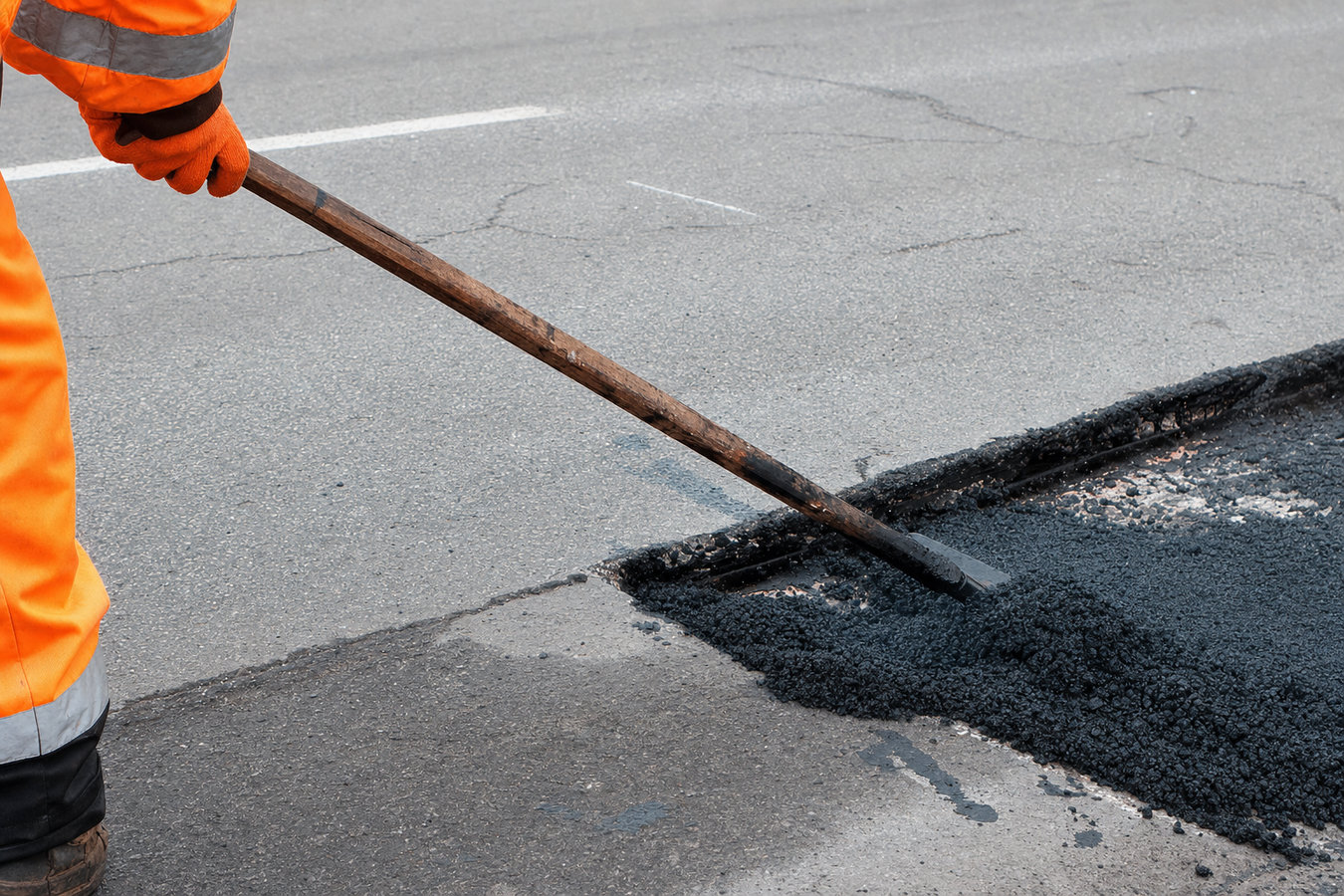
A crack or pothole ignored through one East Texas rainy season becomes a failing driveway section. We repair asphalt problems at the source so small repairs stay small.
Asphalt repair in Longview means removing or filling damaged sections of a driveway, parking area, or private road and restoring a smooth, stable surface. Depending on the damage, a crew might fill individual cracks, cut out and replace a failed section, or resurface a larger worn area. Most residential jobs are finished in a single day.
The condition of your surface today is almost always cheaper to address than the condition it will be in after another rainy season. Longview receives around 45 to 50 inches of rain per year, and water that gets into a crack keeps working - softening the base, widening the gap, and turning a repair job into a replacement job. If the damage is concentrated in one area, asphalt crack sealing can be the right first step before water gets further in.
If the surface has larger potholes, sunken sections, or widespread cracking, those problems point to base failure below the surface. A repair that addresses only what is visible will not last. We assess the base condition as part of every estimate so you know exactly what you are dealing with.
A web of small cracks spreading across your driveway - sometimes called alligator cracking - signals that the surface or base is failing, not just aging. In Longview's clay soil, this pattern often means the ground underneath has been moving. Addressing it sooner means less material to replace.
A pothole or low spot that collects water after rain is more than an eyesore. Standing water in East Texas's wet climate keeps working into the base, making the problem bigger with every storm. Filling it now costs far less than waiting until the surrounding area fails too.
Fresh asphalt is dark and slightly flexible. When it turns light gray and starts to crumble, the binder has oxidized from years of East Texas sun exposure. At that stage, cracks form easily and water gets in fast. Timely repair or resurfacing stops the deterioration before it reaches the base.
If water sits on your driveway for hours after a storm instead of draining away, the surface has settled unevenly. In a climate with as much rain as Longview gets, pooling water accelerates damage quickly. Leveling and repairing the low spots restores proper drainage and protects the rest of the surface.
We offer the full range of asphalt repair work - from crack filling and pothole patching on surfaces that are otherwise sound, to full-depth section replacement when the base beneath a damaged area has given out. For driveways and surfaces where the top layer is oxidized and brittle but the base is still intact, surface resurfacing can extend the life of the pavement at a fraction of full replacement cost.
Some repair jobs also benefit from addressing what comes next. If the surface has been repaired and is structurally solid, pothole repair and a follow-up sealcoat application are often the most cost-effective way to protect the investment and keep the surface from degrading again under East Texas sun and rain. We can scope both in a single visit so you get one written estimate covering everything.
Best for isolated cracks that have not yet spread to the base - stops water infiltration before it causes bigger problems.
Fills and compacts individual potholes or sunken areas where the surface has broken through to the base.
Right choice when a specific area has failed all the way through - edges are cut clean, the base is rebuilt, and new asphalt is laid.
A fresh asphalt layer over the existing surface when the base is still sound but the top is oxidized and worn.
Two local conditions drive most of the asphalt repair calls we get across Longview and into nearby areas like Henderson and Gladewater. The first is the heavy clay soil that underlies most East Texas properties. Clay expands when it absorbs moisture and contracts as it dries out, and that movement stresses asphalt from below. Cracks that appear in the same spot season after season are almost always a clay soil problem, not a surface problem. A repair that does not stabilize the base first will open up again.
The second is rainfall volume and intensity. With 45 to 50 inches of rain per year - much of it arriving in heavy storms - water has more opportunity to find its way into surface cracks, soften base material, and create the sunken spots and potholes that follow base failure. The intense summer heat and UV exposure also oxidize asphalt faster here than in cooler climates, turning surfaces gray and brittle well before they would wear out in a more temperate region. Addressing both of these factors - base stability and surface protection through sealing - is what makes repairs in Longview last.
Call or use the contact form. Describe what you are seeing - cracks, potholes, sunken areas, or general wear. We respond within one business day and schedule a free on-site estimate.
We walk the area, measure the damage, and check the base condition. In Longview, we also look at how water drains across the surface, since drainage problems are often the root cause of asphalt failure here. You get a written estimate explaining what is recommended and why.
We clean the area, cut clean edges on any removed section, compact the base, and lay hot-mix asphalt. Most residential repairs are finished in a single visit. We cone off the area and tell you exactly how long to stay off it.
Plan to keep vehicles off the repaired area for at least 24 to 48 hours - longer during summer heat. We may recommend a sealcoat application several weeks after curing, which protects the surface and helps repaired sections blend in with the surrounding pavement.
We walk the job, check the base, and give you a written quote - no pressure, no obligation. Reply within one business day.
(430) 267-1875We do not quote a repair without checking what is underneath the surface and how water moves across it. In Longview, drainage problems and base failure cause most asphalt damage - and fixing the surface without addressing those factors means the same spot will fail again within a season or two.
For section replacements, we cut clean edges, remove the damaged material down to the base, compact the base before laying new asphalt, and use hot-mix material at the right temperature. These steps matter - skipping any of them is how you end up with a patch that crumbles at the edges or sinks by next spring.
We tell you honestly whether repair makes sense or whether the surface has reached the point where replacement is the more cost-effective answer. We are not going to push a more expensive job if a focused repair will hold for years - and we will not sell you a surface patch if the base underneath it has failed.
Membership in the National Asphalt Pavement Association means following industry standards for materials and workmanship, not just whatever is fastest or cheapest. It also means staying current on best practices for repair techniques that hold up in regional conditions like East Texas heat and clay soils.
These standards apply on every repair job, whether it is a single pothole or a driveway section replacement. The goal is a repair that you do not have to think about again - one that holds through the next several years of Longview rain, heat, and daily use.
Seal individual cracks before water infiltrates the base and turns a minor surface issue into a structural one.
Learn MoreTargeted patching for potholes and broken-through areas, compacted properly so the fix does not sink by next season.
Learn MoreCall today for a free estimate - we will walk the job, check the base, and give you a straight answer on what it will take to fix it right.