Serving Longview, TX and surrounding areas. (430) 267-1875

Quickset LongviewAsphalt Paving
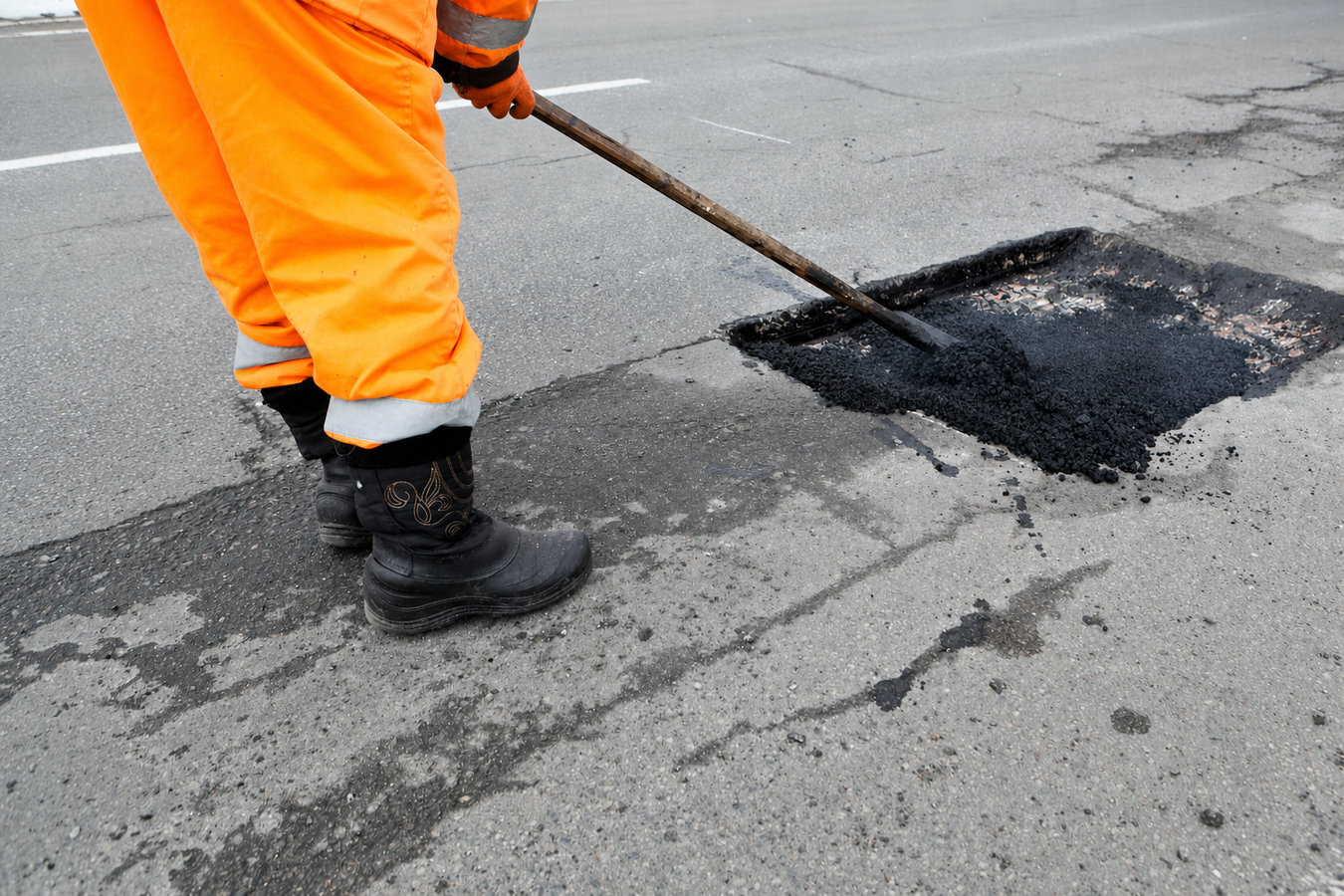
Every East Texas rainstorm pushes more water into that hole and widens the damage. We cut out the failed area, check the base, and patch with compacted hot-mix asphalt so the repair holds.
Pothole repair in Longview means cutting out the damaged area, removing broken asphalt and any compromised base material, and filling the void with hot-mix asphalt compacted in layers until the patch sits flush with the surrounding surface. Most single potholes on a residential driveway are repaired in a few hours. Multiple holes or ones requiring base work may take a full day.
The key difference between a repair that holds and one that fails is what happens before the new material goes in. In Longview, the expansive clay soil underneath your driveway is often the reason a pothole formed in the first place - water saturates the clay, the ground softens and shifts, and the surface above collapses. Filling the hole without addressing the base or drainage is a temporary fix at best. If the damage on your driveway has spread beyond a few isolated spots, it may be worth discussing whether broader asphalt repair or resurfacing is the better path.
If you can see a depression, hole, or chunk of missing asphalt, that is a pothole and it needs attention. Even a small hole will grow quickly once water gets in, especially during Longview's rainy season when the clay beneath stays wet for extended periods.
A distinct jolt when driving over a spot means the surface has failed at that point. Repeated impact on your tires, wheels, and suspension adds up over time - and the underlying hole is getting bigger with every pass.
Loose chunks or gravel-like pieces around a depression mean the pavement is actively breaking apart. In East Texas heat, oxidized asphalt loses its binding strength and crumbles faster than it would in cooler climates - a crumbling edge signals the damage will spread.
Standing water after a storm signals a low spot where the base has settled or failed, and it guarantees the problem gets worse. Given how frequently Longview receives heavy rain, a spot that holds water is a pothole in the making if it is not already one.
We handle everything from a single isolated hole on a residential driveway to multiple failing areas on a commercial parking surface. Every repair starts with an in-person assessment so we can check base depth, drainage, and whether surrounding areas show signs of spreading damage. That visit shapes the quote - a pothole with a stable base beneath it costs less to fix than one sitting on softened or eroded sub-base material.
For driveways with widespread surface deterioration beyond individual potholes, we also offer grading and excavation to address base-level problems before a new surface is applied. If your driveway is showing cracks across wide areas in addition to potholes, a full base assessment will tell you whether targeted repairs are the right approach or whether a larger scope of work will hold up better over time in Longview's clay-soil conditions.
The right fit for an isolated pothole on an otherwise sound driveway - cut out, prepped, and patched with properly compacted hot-mix asphalt.
Suited to driveways with several scattered failures, addressed in one visit so the whole surface is corrected rather than patched one at a time over multiple trips.
For potholes that keep coming back, this option addresses the underlying cause - stabilizing the base or correcting drainage - before the surface is filled.
After the patch cures, a sealcoat application protects the repaired area and the surrounding surface from further UV and water damage - especially useful in Longview's climate.
In northern states, potholes are mainly caused by water freezing inside a crack, expanding, and blowing out the pavement. That freeze-thaw cycle is not the main driver in Longview. Here, the culprits are the clay-heavy soil throughout Gregg County, East Texas rainfall that runs well above 45 inches per year, and prolonged summer heat that dries out and oxidizes the asphalt binder. Clay soil swells when it absorbs water and shrinks as it dries - that movement puts relentless stress on the surface above it. A contractor who understands these local conditions will focus on base stability and drainage, not just filling the hole.
Homeowners across the area deal with this same issue - from properties in Kilgore to Henderson, the clay soil and rainfall patterns are consistent across East Texas. A repair scoped for these conditions, with proper base prep and drainage review, holds up far longer than a simple surface fill - and that difference is most visible after the first few heavy rains of the following season.
We respond to estimate requests within one business day. Tell us the size and location of the damage - a photo helps. We schedule a site visit rather than quoting by phone, because the depth of the hole and the base condition are critical to accurate pricing.
We inspect the pothole, check the surrounding surface, and assess whether the base needs attention before patching. You receive a written estimate that spells out exactly what work will be done - no vague totals.
The crew cuts the damaged area with clean, straight edges, removes the broken material and any compromised base, then fills with hot-mix asphalt in compacted layers. This prep step is what separates a repair that lasts from one that fails in months.
The patch is compacted until it sits flush with the surrounding pavement. The crew does a final walkthrough, points out any other areas of concern, and tells you when you can drive on the surface - typically within a few hours for a hot-mix repair.
No obligation. We visit your property, assess the damage honestly, and give you a written estimate. Most calls are returned within one business day.
(430) 267-1875We inspect the base before patching rather than just filling the hole. In Longview, clay soil movement is often the real cause of repeat potholes - skipping the base check means the same hole comes back. You deserve to know what is under the surface before we quote the job.
We use hot-mix asphalt on every permanent repair, properly compacted with equipment rather than hand-tamped. Cold-patch products have their place as emergency fillers, but they are not a lasting solution - especially in East Texas where summer heat softens improperly compacted material.
National Asphalt Pavement AssociationStanding water is the main reason potholes return in Longview. We look at where water goes on your driveway during the estimate and, where drainage is contributing to the damage, we flag it - because patching a pothole without fixing the water problem is a short-term fix at best.
We are a Longview-based contractor familiar with the clay soils, rainfall patterns, and property types across Gregg County and the surrounding East Texas communities. You can verify our licensing status through the Texas Department of Licensing and Regulation before work begins.
Texas Department of Licensing and RegulationEvery one of these details matters more in East Texas than in markets where the climate is gentler on asphalt. Longview's heat, rainfall, and clay soil demand a repair done correctly from the first cut - and that is exactly what we focus on.
When the base beneath a failing driveway needs full excavation and regrading before any new surface can hold up in East Texas conditions.
Learn MoreBroader surface repair work for driveways with cracking, edge failure, and deterioration beyond individual potholes.
Learn MoreEvery week you wait, East Texas rain and clay soil push that hole further. Call us today and we will have your estimate ready within one business day.